
Caribbean Stud Dealer Qualify: The Brutal Math Behind What Beats What
Most dealers wash out of Caribbean Stud not because they misread the paytable, but because they cannot instantly resolve what beats what when a player table-stakes a royal flush against the dealer's hidden ace-king. The qualifying hand is the entire axis of this game. If you cannot recite the hierarchy cold, you are dead weight on the felt. Period.
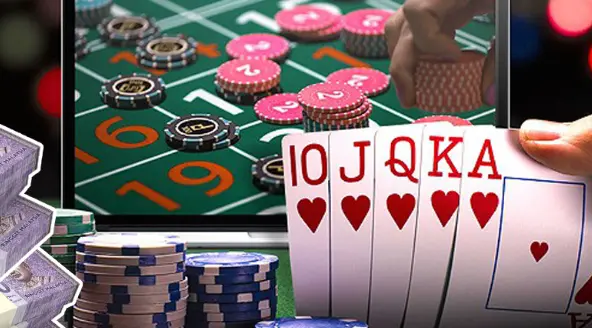
The Dealer Qualify Rule: Ace-King or Nothing
Here is the cold mechanic: the dealer must hold Ace-King high or better to qualify. That is the floor. Not a pair, not a straight draw, not some hopeful gutshot. Ace-King offsuit, Ace-King suited, or any made hand above that threshold. If the dealer fails to qualify with at least Ace-King, every remaining player gets paid on the ante at even money, and the bet pushes. The house edge lives and dies on this single gate. 🎯
Rookie dealers think qualifying is generous. It is not. The probability of the dealer holding Ace-King or better sits right around 56 percent. That means nearly half the time, the dealer bricks out and the table collects free ante money. Players who do not understand this number bleed chips chasing hands that never get rewarded.
Ranking the Hands: What Beats What Without Hesitation
Memorize this ladder. Royal flush crushes everything. Straight flush sits directly beneath it. Four of a kind, full house, flush, straight, three of a kind, two pair, one pair, and finally Ace-King high as the bare qualifying minimum. When a player shows a flush and the dealer reveals a full house, the dealer wins. No debate. No floor call. The hierarchy is absolute.

Where dealers panic is the Ace-King comparison. If the dealer qualifies with Ace-King high and the player also holds Ace-King high, the hand pushes. But if the dealer's Ace-King is offsuit and the player's Ace-King is suited, suited does not automatically win. Suits have zero ranking value in Caribbean Stud. Only the numerical card values and combinations matter. This trips up more trainees than any other rule. 🔥
The Qualify Threshold Trap
The real audit nightmare is when the dealer holds a pair of deuces and the player holds Ace-King. The dealer qualifies because a pair beats Ace-King high. But players who misread this and assume Ace-King always qualifies will miscalculate the payout. The dealer's pair of twos qualifies and beats the player's Ace-King. That is the brutal reality of the qualifying threshold. It is not about the dealer holding a strong hand. It is about the dealer holding a hand that clears the minimum bar.
This is where Caribbean Stud dealer qualify mechanics separate professional dealers from amateurs. You must instantly know that Ace-King high is the floor, that any pair beats it, and that the player's hand only wins if it outranks the dealer's qualifying hand. If the dealer does not qualify, the player wins on the ante regardless of what the player holds. That is the only exception to the ranking war.
Payout Structure and the Qualify Multiplier
When the dealer qualifies and the player beats the dealer, the ante pays even money and the bet pays according to the paytable. A flush pays 5-to-1. A full house pays 7-to-1. Four of a kind pays 20-to-1. A straight flush pays 50-to-1. A royal flush pays 100-to-1. These numbers are non-negotiable and must be burned into your skull before you ever touch a shuffle machine.
When the dealer qualifies and the player loses, the player loses both the ante and the bet. When the dealer does not qualify, the player wins the ante at even money and the bet pushes. There is no scenario where the player wins the bet without the dealer qualifying. That is the iron law of this game. 🃏
Speed, Accuracy, and the Qualify Call
Dealers who hesitate on the qualify call get chewed up by surveillance and pit bosses. The qualifying check must happen before any payout is calculated. Flip the dealer's cards, scan for Ace-King or better, and resolve the table instantly. If you cannot do this in under three seconds, you are a liability. The math is fixed. The hierarchy is fixed. The only variable is your reaction time.
Players will try to argue that their Ace-King should beat the dealer's pair of threes because Ace-King feels stronger. It does not. A pair always beats high card. Always. The qualifying threshold is not a suggestion. It is the mechanical spine of the entire game. Master it or find another table.